
Novartis Antimalarial Clears Key WHO Review to Get the Combo Drug to Babies
By Menshly Wellness Desk | Apr 27, 2026
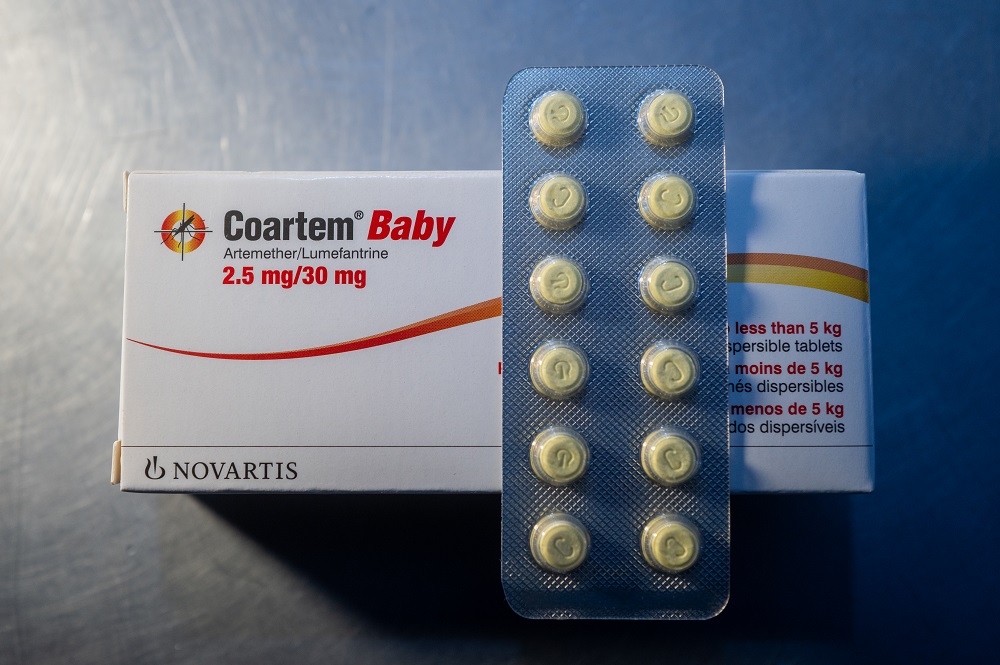
Introduction to Novartis Antimalarial and its Significance
Novartis, a renowned pharmaceutical company, has been at the forefront of developing effective treatments for various diseases, including malaria. In recent years, the company has made significant strides in creating antimalarial medications that can be used to treat this debilitating disease. One such medication is a combination drug that has shown great promise in treating malaria, particularly in vulnerable populations such as babies. This medication has recently cleared a key review by the World Health Organization (WHO), paving the way for its use in treating malaria in infants. In this article, we will delve into the details of this antimalarial medication, its significance, and how it can contribute to increased longevity in 2026.
The Burden of Malaria and its Impact on Longevity
Malaria is a mosquito-borne disease that affects millions of people worldwide, particularly in tropical and subtropical regions. According to the WHO, there were over 230 million reported cases of malaria in 2020, resulting in over 400,000 deaths. Malaria is a significant public health concern, and its impact on longevity cannot be overstated. The disease can lead to severe anemia, organ failure, and even death if left untreated. In addition, malaria can have long-term effects on the health and well-being of individuals, particularly children, which can impact their longevity. The WHO has set a goal to reduce malaria-related deaths by 90% by 2030, and the development of effective antimalarial medications is critical to achieving this goal.
Novartis Antimalarial Medication and its Efficacy
The Novartis antimalarial medication is a combination drug that contains two active ingredients: artemether and lumefantrine. This combination has been shown to be highly effective in treating malaria, particularly in areas where the disease is resistant to other treatments. The medication has undergone rigorous clinical trials, which have demonstrated its safety and efficacy in treating malaria in adults and children. The WHO review of the medication has confirmed its effectiveness and safety, paving the way for its use in treating malaria in babies. The medication is administered orally, making it easy to use in resource-poor settings where access to healthcare may be limited.
Significance of the WHO Review and Approval
The WHO review and approval of the Novartis antimalarial medication is a significant milestone in the fight against malaria. The review process involves a thorough evaluation of the medication's safety, efficacy, and quality, as well as its potential impact on public health. The WHO approval of the medication means that it can be used in countries where malaria is endemic, and it can be included in national treatment guidelines. The approval also opens up opportunities for the medication to be included in global health initiatives, such as the Global Fund to Fight AIDS, Tuberculosis and Malaria. The WHO approval is a critical step in ensuring that the medication is available to those who need it most, particularly in resource-poor settings.
Impact on Longevity in 2026
The availability of effective antimalarial medications, such as the Novartis combination drug, can have a significant impact on longevity in 2026. By reducing the burden of malaria, these medications can help to improve the health and well-being of individuals, particularly children, which can lead to increased longevity. According to the WHO, the use of effective antimalarial medications can reduce malaria-related deaths by up to 90%. This can lead to a significant increase in life expectancy, particularly in areas where malaria is endemic. In addition, the use of antimalarial medications can also have a positive impact on the economy, as it can reduce the economic burden of malaria on individuals and communities.
Challenges and Opportunities
Despite the significance of the Novartis antimalarial medication, there are several challenges that need to be addressed to ensure its widespread use. One of the major challenges is the issue of resistance to antimalarial medications, which can reduce their effectiveness over time. To address this challenge, it is essential to develop new antimalarial medications and to use existing medications in a way that minimizes the risk of resistance. Another challenge is the issue of access to healthcare, particularly in resource-poor settings. To address this challenge, it is essential to strengthen health systems and to improve access to healthcare, particularly in areas where malaria is endemic.
🎥 WELLNESS MASTERCLASS
undefinedConclusion
In conclusion, the Novartis antimalarial medication is a significant development in the fight against malaria. The medication's efficacy and safety have been confirmed by the WHO, paving the way for its use in treating malaria in babies. The availability of effective antimalarial medications, such as the Novartis combination drug, can have a significant impact on longevity in 2026. By reducing the burden of malaria, these medications can help to improve the health and well-being of individuals, particularly children, which can lead to increased longevity. However, there are several challenges that need to be addressed to ensure the widespread use of these medications, including the issue of resistance and access to healthcare. Addressing these challenges will require a concerted effort from governments, healthcare providers, and the pharmaceutical industry.
Future Directions
As we look to the future, it is essential to continue developing new and effective antimalarial medications. The Novartis antimalarial medication is a significant development, but it is not a silver bullet. The fight against malaria will require a sustained effort, and it will require the development of new medications and technologies. In addition, it is essential to strengthen health systems and to improve access to healthcare, particularly in resource-poor settings. The use of digital technologies, such as mobile health applications, can also play a critical role in the fight against malaria. These technologies can help to improve access to healthcare, particularly in areas where healthcare facilities may be limited.
Global Health Initiatives
Global health initiatives, such as the Global Fund to Fight AIDS, Tuberculosis and Malaria, can also play a critical role in the fight against malaria. These initiatives can provide critical funding and support for the development and distribution of antimalarial medications, as well as for the strengthening of health systems. In addition, these initiatives can help to raise awareness about the burden of malaria and the importance of using effective antimalarial medications. The WHO can also play a critical role in the fight against malaria, by providing technical assistance and guidance to countries, as well as by coordinating global efforts to combat the disease.
Partnerships and Collaborations
Partnerships and collaborations between governments, healthcare providers, and the pharmaceutical industry will be critical to the success of the fight against malaria. These partnerships can help to facilitate the development and distribution of antimalarial medications, as well as the strengthening of health systems. In addition, these partnerships can help to raise awareness about the burden of malaria and the importance of using effective antimalarial medications. The Novartis antimalarial medication is a significant development, but it is just one part of a broader effort to combat malaria. By working together, we can make significant progress in the fight against malaria, and we can help to improve the health and well-being of millions of people around the world.
Increasing Longevity through Malaria Prevention
Increasing longevity through malaria prevention is a critical aspect of the fight against the disease. By preventing malaria, we can help to reduce the burden of the disease, and we can help to improve the health and well-being of individuals, particularly children. The use of insecticide-treated bed nets, indoor residual spraying, and other preventative measures can help to reduce the risk of malaria transmission. In addition, the use of antimalarial medications, such as the Novartis combination drug, can help to treat malaria and prevent its complications. By combining these approaches, we can make significant progress in the fight against malaria, and we can help to increase longevity.
Addressing the Social Determinants of Health
Addressing the social determinants of health is also critical to the fight against malaria. The social determinants of health, such as poverty, education, and access to healthcare, can have a significant impact on the burden of malaria. By addressing these determinants, we can help to reduce the risk of malaria transmission, and we can help to improve the health and well-being of individuals, particularly children. The use of antimalarial medications, such as the Novartis combination drug, can help to treat malaria, but it is just one part of a broader effort to address the social determinants of health. By working together, we can make significant progress in the fight against malaria, and we can help to increase longevity.
About Menshly Life
Advancing human potential through science and AI. Follow on X

0 Comments