
AMA calls on Congress to set safety rules for mental health AI chatbots
By Menshly Wellness Desk | Apr 26, 2026
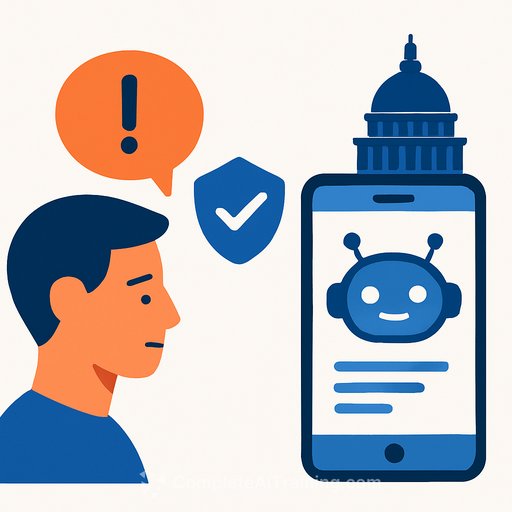
Introduction to Mental Health AI Chatbots
The American Medical Association (AMA) has recently called on Congress to establish safety rules for mental health AI chatbots, citing concerns over the potential risks and consequences of using these technologies without proper oversight. As a Health Scientist at Menshly Life, I will delve into the world of mental health AI chatbots, exploring their current state, benefits, and risks, as well as the importance of setting safety rules to ensure their safe and effective use in 2026 and beyond. With the rapid advancement of artificial intelligence (AI) and machine learning (ML) technologies, mental health AI chatbots have become increasingly popular, offering a promising solution to the growing demand for mental health services. These chatbots use natural language processing (NLP) and ML algorithms to simulate human-like conversations, providing users with emotional support, guidance, and therapy.
Benefits of Mental Health AI Chatbots
Mental health AI chatbots have several benefits that make them an attractive solution for individuals seeking mental health support. Firstly, they offer convenience and accessibility, allowing users to access mental health services from anywhere, at any time, using their smartphones or computers. This is particularly important for individuals who live in remote areas or have mobility issues, making it difficult for them to access traditional face-to-face therapy sessions. Secondly, mental health AI chatbots can provide immediate support and guidance, which can be critical for individuals experiencing a mental health crisis. They can also help reduce the stigma associated with seeking mental health support, as users can interact with the chatbot anonymously. Furthermore, mental health AI chatbots can help bridge the gap in mental health services, particularly in areas where there is a shortage of mental health professionals.
Risks and Concerns
Despite the benefits of mental health AI chatbots, there are several risks and concerns that need to be addressed. One of the primary concerns is the lack of human empathy and understanding, which can lead to misinterpretation or misdiagnosis of mental health conditions. Mental health AI chatbots may not be able to pick up on subtle cues, such as tone of voice, body language, or facial expressions, which are essential for accurate diagnosis and treatment. Additionally, mental health AI chatbots may not be able to provide the same level of emotional support and comfort as human therapists, which can be critical for individuals experiencing trauma or crisis. Another concern is the potential for mental health AI chatbots to provide inaccurate or misleading information, which can be harmful to users. This can occur if the chatbot is not properly trained or updated, or if it is based on outdated or flawed research.
Importance of Safety Rules
The AMA's call for Congress to establish safety rules for mental health AI chatbots is a critical step towards ensuring the safe and effective use of these technologies. Safety rules can help mitigate the risks associated with mental health AI chatbots, such as misdiagnosis, inaccurate information, and lack of human empathy. By establishing clear guidelines and standards for the development and deployment of mental health AI chatbots, Congress can help ensure that these technologies are used responsibly and with the utmost care for user safety. Safety rules can also help promote transparency and accountability, requiring developers to disclose the limitations and potential biases of their chatbots, as well as providing users with clear information about the chatbot's capabilities and limitations.
Recommendations for Safety Rules
So, what should safety rules for mental health AI chatbots look like? Firstly, developers should be required to conduct rigorous testing and validation of their chatbots, including clinical trials and user feedback, to ensure that they are safe and effective. Secondly, chatbots should be designed with transparency and accountability in mind, providing users with clear information about their capabilities, limitations, and potential biases. Thirdly, developers should be required to establish clear guidelines for user interaction, including protocols for crisis intervention, emergency response, and referral to human therapists. Fourthly, safety rules should require developers to prioritize user data protection and confidentiality, ensuring that user interactions with the chatbot are secure and private. Finally, safety rules should encourage ongoing monitoring and evaluation of mental health AI chatbots, including regular updates and improvements to ensure that they remain safe and effective over time.
🎥 WELLNESS MASTERCLASS
undefinedLongevity and Future Directions
As we look to the future, it is essential to consider the potential longevity of mental health AI chatbots and their impact on human longevity. With the rapid advancement of AI and ML technologies, mental health AI chatbots are likely to become increasingly sophisticated, offering more personalized and effective support to users. However, it is crucial to ensure that these technologies are developed and deployed responsibly, with a focus on user safety and well-being. In 2026 and beyond, we can expect to see significant advances in mental health AI chatbots, including the integration of emerging technologies such as augmented reality (AR) and virtual reality (VR). These technologies have the potential to revolutionize the field of mental health, offering immersive and interactive experiences that can help users overcome mental health challenges. However, they also raise important questions about safety, efficacy, and ethics, which must be carefully considered as we move forward.
Conclusion
In conclusion, the AMA's call for Congress to establish safety rules for mental health AI chatbots is a critical step towards ensuring the safe and effective use of these technologies. As a Health Scientist at Menshly Life, I believe that mental health AI chatbots have the potential to revolutionize the field of mental health, offering convenient, accessible, and personalized support to individuals in need. However, it is essential to address the risks and concerns associated with these technologies, including the lack of human empathy, potential for misdiagnosis, and inaccurate information. By establishing clear guidelines and standards for the development and deployment of mental health AI chatbots, we can help mitigate these risks and ensure that these technologies are used responsibly and with the utmost care for user safety. As we look to the future, it is crucial to prioritize user safety, transparency, and accountability, while also encouraging innovation and advancement in the field of mental health AI chatbots. By working together, we can create a future where mental health AI chatbots are a valuable tool for promoting human longevity and well-being.
Future Research Directions
Future research directions for mental health AI chatbots should focus on addressing the risks and concerns associated with these technologies, while also exploring new and innovative applications. One potential area of research is the development of more advanced NLP and ML algorithms that can better simulate human-like conversations and empathy. Another area of research is the integration of mental health AI chatbots with other technologies, such as wearable devices and mobile apps, to provide more comprehensive and personalized support to users. Additionally, researchers should investigate the potential benefits and risks of using mental health AI chatbots in combination with traditional face-to-face therapy, as well as the potential for these technologies to be used in non-traditional settings, such as schools and workplaces. Finally, researchers should prioritize the development of safety rules and guidelines for mental health AI chatbots, including protocols for crisis intervention, emergency response, and referral to human therapists.
Implications for Human Longevity
The implications of mental health AI chatbots for human longevity are significant. By providing convenient and accessible mental health support, these technologies have the potential to help individuals manage stress, anxiety, and other mental health challenges that can impact longevity. Additionally, mental health AI chatbots can help individuals develop healthy habits and behaviors, such as regular exercise, healthy eating, and adequate sleep, which are critical for promoting longevity. However, it is essential to ensure that these technologies are used responsibly and with the utmost care for user safety, as the potential risks and consequences of using mental health AI chatbots without proper oversight can be significant. As we look to the future, it is crucial to prioritize user safety, transparency, and accountability, while also encouraging innovation and advancement in the field of mental health AI chatbots. By working together, we can create a future where mental health AI chatbots are a valuable tool for promoting human longevity and well-being.
Final Thoughts
In final thoughts, the AMA's call for Congress to establish safety rules for mental health AI chatbots is a critical step towards ensuring the safe and effective use of these technologies. As a Health Scientist at Menshly Life, I believe that mental health AI chatbots have the potential to revolutionize the field of mental health, offering convenient, accessible, and personalized support to individuals in need. However, it is essential to address the risks and concerns associated with these technologies, including the lack of human empathy, potential for misdiagnosis, and inaccurate information. By establishing clear guidelines and standards for the development and deployment of mental health AI chatbots, we can help mitigate these risks and ensure that these technologies are used responsibly and with the utmost care for user safety. As we look to the future, it is crucial to prioritize user safety, transparency, and accountability, while also encouraging innovation and advancement in the field of mental health AI chatbots. By working together, we can create a future where mental health AI chatbots are a valuable tool for promoting human longevity and well-being.
About Menshly Life
Advancing human potential through science and AI. Follow on X

0 Comments