
AMA calls on Congress to set safety rules for mental health AI chatbots
By Menshly Wellness Desk | Apr 26, 2026
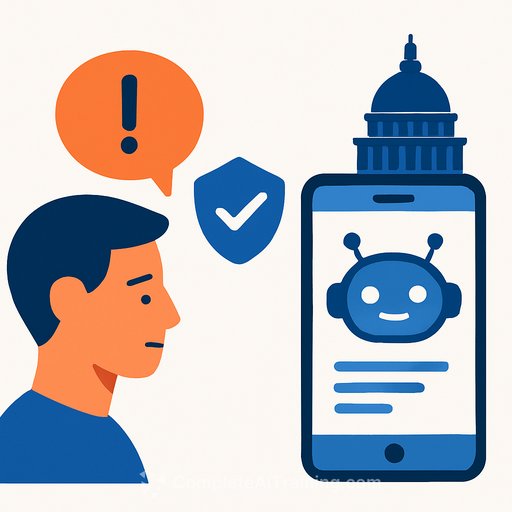
Introduction to Mental Health AI Chatbots
As we navigate the complexities of the digital age, the intersection of technology and healthcare has given rise to innovative solutions such as mental health AI chatbots. These chatbots, designed to provide support and guidance for individuals dealing with mental health issues, have seen a significant surge in popularity. However, with their increasing presence in the healthcare landscape, concerns regarding their safety, efficacy, and regulation have come to the forefront. The American Medical Association (AMA) has recently called upon Congress to establish clear safety rules for these mental health AI chatbots, emphasizing the need for stringent guidelines to ensure they contribute positively to mental health support without causing harm.
The Role of Mental Health AI Chatbots in 2026
By 2026, mental health AI chatbots are expected to play a more integrated role in the healthcare system, particularly in the realm of longevity and mental wellness. These chatbots can offer immediate support, provide resources, and help individuals manage their mental health through personalized interactions. They can assist in early intervention, helping to prevent the escalation of mental health issues into more severe conditions. Moreover, they can facilitate access to care for underserved populations and those in remote areas where traditional mental health services may be scarce. The potential of these chatbots to enhance mental health outcomes and contribute to overall longevity is significant, but their development and deployment must be guided by robust safety and efficacy standards.
Concerns and Challenges
Despite their potential benefits, mental health AI chatbots pose several concerns. One of the primary issues is the lack of human empathy and understanding, which can lead to misinterpretation of the user's condition or inappropriate advice. There's also the risk of privacy breaches, as these chatbots often require access to sensitive personal information. Furthermore, without proper regulation, there's a danger that these chatbots could be used to spread misinformation or employ manipulative tactics. The AMA's call for Congress to set safety rules addresses these concerns, highlighting the need for guidelines that protect users' privacy, ensure the accuracy of the information provided, and mandate transparency in how these chatbots operate.
AMA's Recommendations for Safety Rules
The AMA's recommendations for safety rules include the implementation of stringent privacy protections to safeguard users' personal and health information. They also advocate for the establishment of standards for the development and testing of these chatbots, ensuring they are based on evidence and are regularly updated to reflect the latest in mental health research and practices. Additionally, the AMA suggests that there should be clear guidelines on how these chatbots should be used in conjunction with traditional healthcare services, emphasizing the importance of human oversight and the need for users to be aware of the limitations of AI-driven mental health support. By setting these safety rules, Congress can help mitigate the risks associated with mental health AI chatbots and ensure they are a valuable adjunct to, rather than a replacement for, professional mental health care.
🎥 WELLNESS MASTERCLASS
undefinedImpact on Longevity in 2026
In the context of 2026 longevity, the regulation of mental health AI chatbots can have a profound impact. By ensuring these tools are safe, effective, and used appropriately, they can contribute to improved mental health outcomes, which are closely linked to physical health and overall longevity. Individuals who receive timely and adequate mental health support are more likely to adopt healthy lifestyles, manage chronic conditions effectively, and navigate the challenges of aging with greater resilience. Furthermore, by enhancing access to mental health care, these chatbots can help address health disparities, ensuring that all individuals, regardless of their socioeconomic status or geographical location, have the opportunity to live longer, healthier lives.
Future Directions and Challenges
As we look to the future, the development and integration of mental health AI chatbots into healthcare systems will undoubtedly continue to evolve. However, this evolution must be guided by a commitment to safety, efficacy, and patient-centered care. The AMA's call to action underscores the importance of proactive regulation, encouraging policymakers, healthcare professionals, and technology developers to work together in establishing guidelines that promote the responsible development and use of these tools. The challenges ahead will include balancing innovation with regulation, ensuring equity in access to these technologies, and continuously assessing their impact on mental health outcomes and longevity.
Conclusion
The AMA's call for Congress to set safety rules for mental health AI chatbots is a critical step in harnessing the potential of these technologies to support mental health and contribute to longevity in 2026 and beyond. By establishing clear guidelines for their development, deployment, and use, we can mitigate the risks associated with these chatbots and ensure they are used in a way that complements traditional healthcare services. As we navigate the promising yet complex landscape of mental health AI, prioritizing safety, efficacy, and patient well-being will be essential in realizing the full potential of these innovations to improve health outcomes and enhance the quality of life for individuals worldwide.
About Menshly Life
Advancing human potential through science and AI. Follow on X

0 Comments