
AMA calls on Congress to set safety rules for mental health AI chatbots
By Menshly Wellness Desk | Apr 26, 2026
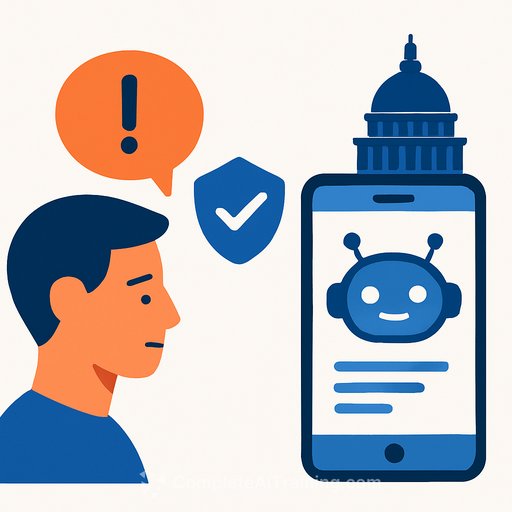
Introduction to Mental Health AI Chatbots
The American Medical Association (AMA) has recently called on Congress to establish safety rules for mental health AI chatbots, citing concerns over the potential risks and benefits associated with these emerging technologies. As a health scientist at Menshly Life, I am keenly interested in the intersection of artificial intelligence (AI) and mental health, particularly in the context of 2026 longevity. In this article, we will explore the current state of mental health AI chatbots, the potential benefits and risks, and the need for safety rules to ensure their responsible development and deployment.
What are Mental Health AI Chatbots?
Mental health AI chatbots are computer programs designed to simulate human-like conversations with users, providing support and guidance on mental health issues such as anxiety, depression, and stress. These chatbots use natural language processing (NLP) and machine learning algorithms to analyze user input and generate personalized responses. They can be accessed through various platforms, including mobile apps, websites, and messaging services. The goal of mental health AI chatbots is to provide users with convenient, accessible, and affordable support for their mental health needs.
Benefits of Mental Health AI Chatbots
There are several potential benefits associated with mental health AI chatbots. For one, they can provide users with immediate support and guidance, 24/7, without the need for human intervention. This can be particularly useful for individuals who live in remote or underserved areas, or those who prefer the anonymity of online interactions. Mental health AI chatbots can also help reduce the stigma associated with mental health issues, encouraging users to seek help and support. Additionally, these chatbots can provide users with personalized recommendations and resources, tailored to their specific needs and circumstances.
Risks and Concerns
Despite the potential benefits, there are also several risks and concerns associated with mental health AI chatbots. For example, these chatbots may not be able to provide users with accurate or reliable diagnoses, or to identify potential safety risks such as suicidal ideation. They may also lack the empathy and emotional intelligence of human therapists, which can be critical for building trust and rapport with users. Furthermore, mental health AI chatbots may be vulnerable to bias and errors, particularly if they are trained on incomplete or inaccurate data. These risks and concerns highlight the need for safety rules and regulations to ensure that mental health AI chatbots are developed and deployed responsibly.
The Need for Safety Rules
The AMA's call for safety rules for mental health AI chatbots is a timely and necessary response to the growing use of these technologies. As the use of mental health AI chatbots becomes more widespread, it is essential that we establish clear guidelines and standards for their development and deployment. This includes ensuring that these chatbots are transparent, explainable, and fair, and that they prioritize user safety and well-being. Safety rules can help mitigate the risks associated with mental health AI chatbots, while also promoting their potential benefits and advantages.
Key Components of Safety Rules
So what should safety rules for mental health AI chatbots look like? There are several key components that should be included. First, these rules should establish clear guidelines for the development and testing of mental health AI chatbots, including requirements for data quality, algorithmic transparency, and user safety. Second, they should provide standards for the evaluation and validation of these chatbots, including criteria for accuracy, reliability, and effectiveness. Third, they should ensure that mental health AI chatbots are designed with user-centered principles, prioritizing accessibility, usability, and user experience. Finally, they should establish mechanisms for monitoring and reporting adverse events, such as user harm or safety risks.
🎥 WELLNESS MASTERCLASS
undefinedImplications for 2026 Longevity
The development and deployment of mental health AI chatbots has significant implications for 2026 longevity. As we look to the future, it is clear that mental health will play an increasingly important role in determining overall health and well-being. Mental health AI chatbots have the potential to support and enhance mental health outcomes, particularly for older adults and other vulnerable populations. However, it is essential that we prioritize user safety and well-being, and that we establish clear guidelines and standards for the development and deployment of these technologies. By doing so, we can harness the potential benefits of mental health AI chatbots, while minimizing their risks and negative consequences.
Conclusion
In conclusion, the AMA's call for safety rules for mental health AI chatbots is a critical step towards ensuring the responsible development and deployment of these emerging technologies. As we look to the future of mental health care, it is essential that we prioritize user safety and well-being, and that we establish clear guidelines and standards for the development and deployment of mental health AI chatbots. By doing so, we can harness the potential benefits of these technologies, while minimizing their risks and negative consequences. As a health scientist at Menshly Life, I am committed to supporting the development of safe and effective mental health AI chatbots, and to promoting their responsible use in 2026 and beyond.
Recommendations for Future Research
There are several areas for future research on mental health AI chatbots, particularly in the context of 2026 longevity. One key area is the development of more sophisticated and nuanced AI algorithms, capable of detecting and responding to complex mental health issues. Another area is the integration of mental health AI chatbots with other healthcare technologies, such as electronic health records and wearable devices. Additionally, there is a need for more research on the effectiveness and efficacy of mental health AI chatbots, including their impact on user outcomes and experiences. By supporting and conducting research in these areas, we can advance our understanding of mental health AI chatbots, and ensure that they are developed and deployed in ways that prioritize user safety and well-being.
Implications for Healthcare Policy
The development and deployment of mental health AI chatbots also has significant implications for healthcare policy, particularly in the context of 2026 longevity. As these technologies become more widespread, it is essential that we establish clear guidelines and standards for their use, including requirements for data protection, user consent, and clinical validation. Additionally, there is a need for more research on the economic and social impacts of mental health AI chatbots, including their potential to reduce healthcare costs and improve health outcomes. By supporting and informing healthcare policy, we can ensure that mental health AI chatbots are developed and deployed in ways that prioritize user safety and well-being, and that support the broader goals of healthcare reform.
Final Thoughts
In final thoughts, the AMA's call for safety rules for mental health AI chatbots is a critical step towards ensuring the responsible development and deployment of these emerging technologies. As we look to the future of mental health care, it is essential that we prioritize user safety and well-being, and that we establish clear guidelines and standards for the development and deployment of mental health AI chatbots. By doing so, we can harness the potential benefits of these technologies, while minimizing their risks and negative consequences. As a health scientist at Menshly Life, I am committed to supporting the development of safe and effective mental health AI chatbots, and to promoting their responsible use in 2026 and beyond. The future of mental health care is exciting and uncertain, and it will be shaped by the development and deployment of emerging technologies like mental health AI chatbots. By working together, we can ensure that these technologies are developed and deployed in ways that prioritize user safety and well-being, and that support the broader goals of healthcare reform.
About Menshly Life
Advancing human potential through science and AI. Follow on X

0 Comments