
AMA calls on Congress to set safety rules for mental health AI chatbots
By Menshly Wellness Desk | Apr 25, 2026
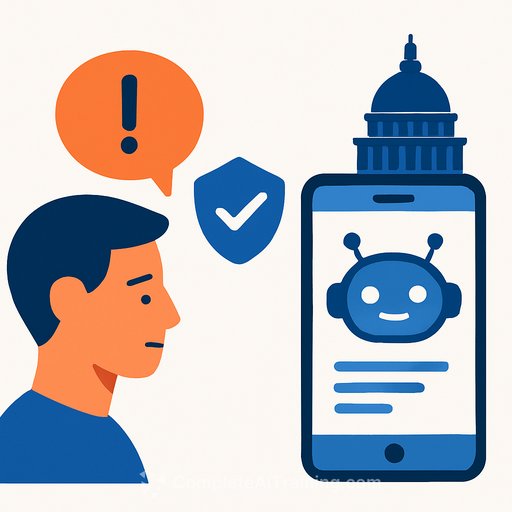
Introduction to Mental Health AI Chatbots and Longevity
The American Medical Association (AMA) has recently called on Congress to establish safety rules for mental health AI chatbots, citing concerns over their potential impact on patient care and well-being. As we look to the future of healthcare in 2026, it is essential to consider the role that artificial intelligence (AI) will play in shaping the longevity of individuals. Mental health AI chatbots are designed to provide support and guidance to individuals struggling with mental health issues, but without proper regulation, they may do more harm than good. In this article, we will explore the AMA's concerns and the potential implications of mental health AI chatbots on longevity in 2026.
Concerns Over Mental Health AI Chatbots
The AMA's call to action is a response to the growing trend of mental health AI chatbots being used to diagnose and treat mental health conditions. While these chatbots may seem like a convenient and accessible solution for individuals seeking mental health support, they are not without risks. One of the primary concerns is that these chatbots may not be equipped to handle complex mental health issues, and may even exacerbate existing conditions. For example, a chatbot may not be able to recognize the nuances of human emotion or provide the same level of empathy and understanding as a human therapist. This can lead to misdiagnosis or inadequate treatment, which can have serious consequences for an individual's mental health and overall well-being.
Another concern is that mental health AI chatbots may not be transparent about their limitations or biases. Many of these chatbots are trained on large datasets, which can reflect societal biases and stereotypes. This can result in chatbots that perpetuate discriminatory practices or provide inadequate support to marginalized communities. Furthermore, the lack of transparency around the development and training of these chatbots makes it difficult to hold them accountable for any harm they may cause. As we look to 2026, it is essential that we prioritize the development of AI chatbots that are fair, transparent, and unbiased, in order to ensure that they promote longevity and well-being for all individuals.
The Need for Regulation
The AMA's call for Congress to establish safety rules for mental health AI chatbots is a crucial step towards ensuring that these technologies are used responsibly and safely. Without regulation, the development and deployment of mental health AI chatbots will continue to be driven by commercial interests, rather than a commitment to patient care and well-being. This can lead to a range of negative consequences, including the exploitation of vulnerable individuals and the erosion of trust in the healthcare system. By establishing clear guidelines and standards for the development and use of mental health AI chatbots, we can ensure that these technologies are used to promote longevity and well-being, rather than undermine it.
Regulation can take many forms, from establishing standards for the training and testing of AI chatbots, to requiring transparency around their development and deployment. It can also involve establishing clear guidelines for the use of AI chatbots in mental health care, including the types of conditions they can be used to diagnose and treat, and the level of human oversight required. By prioritizing regulation, we can ensure that mental health AI chatbots are used to augment and support human care, rather than replace it. This is essential for promoting longevity and well-being in 2026, as it will enable us to harness the benefits of AI while minimizing its risks.
The Potential Benefits of Mental Health AI Chatbots
Despite the concerns surrounding mental health AI chatbots, they also have the potential to bring numerous benefits to the field of mental health care. For example, they can provide accessible and convenient support to individuals who may not have access to traditional therapy, such as those living in rural areas or with limited mobility. They can also help to reduce the stigma surrounding mental health issues, by providing a safe and anonymous space for individuals to seek support. Additionally, AI chatbots can help to identify early warning signs of mental health issues, and provide personalized support and guidance to individuals in need.
In 2026, mental health AI chatbots may also play a critical role in promoting longevity by helping individuals to manage chronic conditions and engage in healthy behaviors. For example, they can provide personalized advice and guidance on diet and exercise, or help individuals to manage stress and anxiety. They can also help to connect individuals with community resources and support services, such as counseling and support groups. By leveraging the potential benefits of mental health AI chatbots, we can promote longevity and well-being, while also improving the overall quality of care in the healthcare system.
🎥 WELLNESS MASTERCLASS
undefinedConclusion
In conclusion, the AMA's call for Congress to establish safety rules for mental health AI chatbots is a critical step towards promoting longevity and well-being in 2026. As we look to the future of healthcare, it is essential that we prioritize the responsible development and deployment of AI technologies, including mental health AI chatbots. By establishing clear guidelines and standards for the development and use of these chatbots, we can ensure that they are used to promote patient care and well-being, rather than undermine it. While there are concerns surrounding the use of mental health AI chatbots, they also have the potential to bring numerous benefits to the field of mental health care, from providing accessible support to individuals in need, to helping individuals manage chronic conditions and engage in healthy behaviors. As we move forward in 2026, it is essential that we prioritize the development of AI chatbots that are fair, transparent, and unbiased, in order to promote longevity and well-being for all individuals.
Future Directions for Mental Health AI Chatbots
As we look to the future of mental health AI chatbots in 2026, there are several key areas that require further research and development. One of the primary areas is the need for more diverse and representative training datasets. Many of the current datasets used to train mental health AI chatbots are limited in their diversity, which can result in chatbots that are biased towards certain populations or demographics. By prioritizing the development of more diverse and representative datasets, we can ensure that mental health AI chatbots are able to provide effective support to individuals from all backgrounds.
Another key area is the need for more human oversight and evaluation of mental health AI chatbots. While AI chatbots have the potential to provide valuable support to individuals in need, they are not a replacement for human care and oversight. By prioritizing the development of AI chatbots that are designed to augment and support human care, rather than replace it, we can ensure that individuals receive the high-quality support they need to promote longevity and well-being. This may involve the development of hybrid models that combine the benefits of AI chatbots with the empathy and understanding of human therapists.
Finally, there is a need for more research on the long-term effects of mental health AI chatbots on individuals and society. While there is evidence to suggest that AI chatbots can provide valuable support to individuals in the short-term, there is limited research on their long-term effects. By prioritizing the development of longitudinal studies and evaluations, we can ensure that mental health AI chatbots are used in a way that promotes longevity and well-being, rather than undermining it. This will require a collaborative effort from researchers, policymakers, and industry leaders, but it is essential for ensuring that mental health AI chatbots are used to promote the greater good.
Implications for Longevity in 2026
The implications of mental health AI chatbots for longevity in 2026 are significant. As we look to the future of healthcare, it is clear that AI technologies will play an increasingly important role in promoting patient care and well-being. By prioritizing the responsible development and deployment of mental health AI chatbots, we can ensure that these technologies are used to promote longevity and well-being, rather than undermine it. This will require a commitment to transparency, accountability, and human oversight, as well as a willingness to address the complex social and ethical issues surrounding the use of AI in healthcare.
Ultimately, the future of mental health AI chatbots in 2026 will depend on our ability to balance the benefits of these technologies with the risks. By prioritizing the development of AI chatbots that are fair, transparent, and unbiased, we can ensure that they are used to promote longevity and well-being for all individuals. This will require a collaborative effort from researchers, policymakers, and industry leaders, but it is essential for creating a future where AI technologies are used to promote the greater good. As we look to 2026, it is clear that mental health AI chatbots will play a critical role in shaping the future of healthcare, and it is our responsibility to ensure that they are used in a way that promotes longevity and well-being for all.
About Menshly Life
Advancing human potential through science and AI. Follow on X

0 Comments