
T2D, Obesity and Heart Failure: Breaking the Pathophysiologic Triangle
By Menshly Wellness Desk | Mar 19, 2026
Introduction
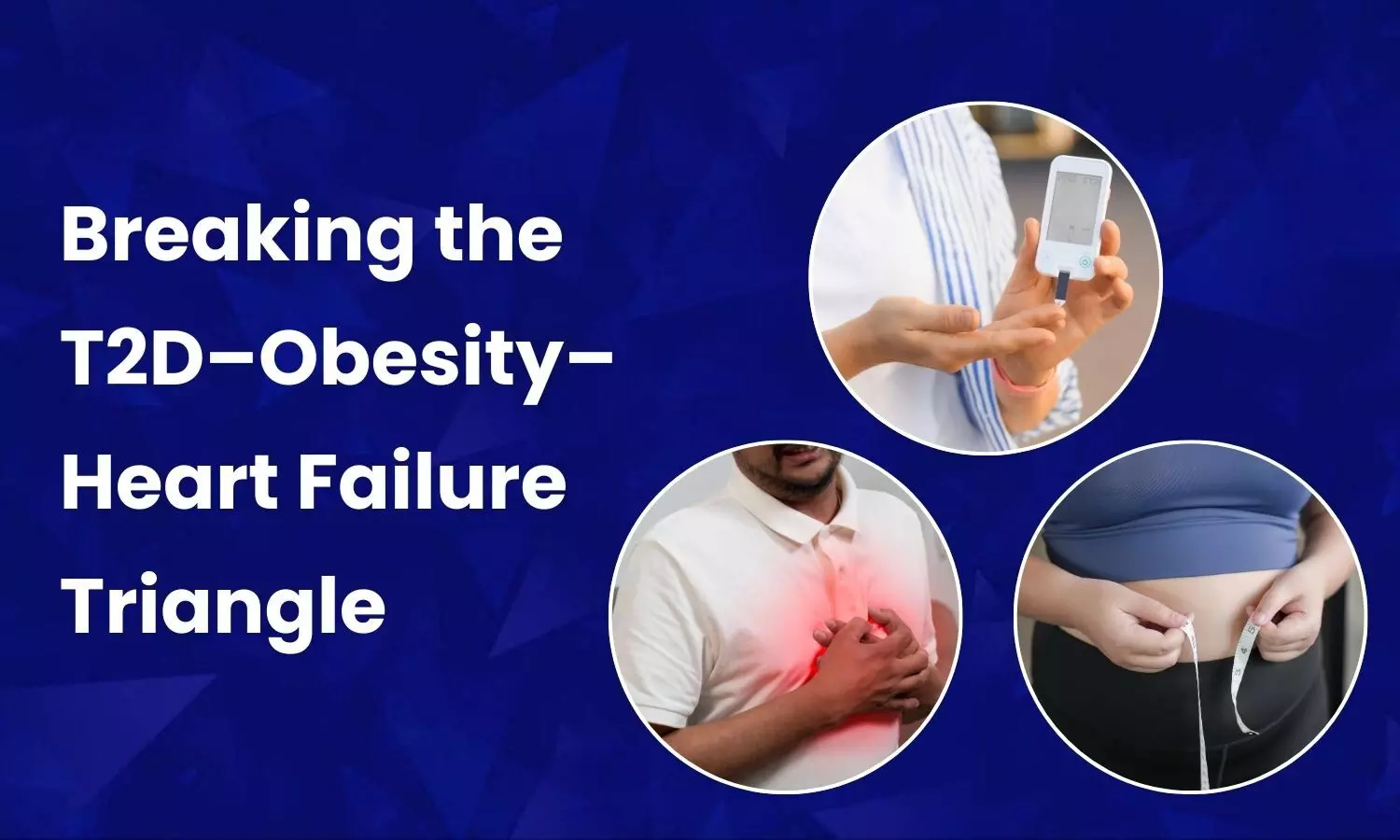
Type 2 diabetes (T2D), obesity, and heart failure are closely linked and have become a significant burden on the healthcare system, affecting millions of people worldwide. The pathophysiologic triangle formed by these conditions is complex and multifaceted, with each condition influencing and exacerbating the others. As we look to the future and the goal of achieving longevity in 2026, it is essential to understand the relationship between T2D, obesity, and heart failure and to develop effective strategies for breaking this triangle and improving patient outcomes.
The Epidemiology of T2D, Obesity, and Heart Failure
The prevalence of T2D, obesity, and heart failure has increased dramatically over the past few decades, and this trend is expected to continue. According to the World Health Organization (WHO), the global prevalence of T2D has risen from 108 million in 1980 to 463 million in 2019, and this number is projected to reach 578 million by 2030. Similarly, the global prevalence of obesity has increased from 11.8% in 2012 to 13.2% in 2016, and it is estimated that over 1 billion people will be obese by 2030. Heart failure is also a significant and growing problem, affecting over 64 million people worldwide and resulting in over 1 million hospitalizations per year in the United States alone.
The Pathophysiology of the T2D-Obesity-Heart Failure Triangle
The pathophysiology of the T2D-obesity-heart failure triangle is complex and involves multiple mechanisms. T2D is characterized by insulin resistance and impaired insulin secretion, which leads to hyperglycemia and glucose toxicity. Obesity, particularly visceral obesity, is a significant risk factor for T2D, as it leads to chronic inflammation and insulin resistance. Heart failure, particularly heart failure with reduced ejection fraction (HFrEF), is often the result of long-standing hypertension, T2D, and obesity, which lead to cardiac remodeling, fibrosis, and dysfunction.
The Role of Inflammation in the T2D-Obesity-Heart Failure Triangle
Inflammation plays a critical role in the pathophysiology of the T2D-obesity-heart failure triangle. Chronic inflammation, which is often seen in obesity, leads to the production of pro-inflammatory cytokines, such as tumor necrosis factor-alpha (TNF-alpha) and interleukin-6 (IL-6), which contribute to insulin resistance and glucose toxicity. In addition, inflammation leads to the activation of various signaling pathways, including the nuclear factor-kappa B (NF-kB) pathway, which promotes cardiac remodeling and fibrosis. The inflammatory response also leads to the production of reactive oxygen species (ROS), which contribute to oxidative stress and tissue damage.
The Impact of the T2D-Obesity-Heart Failure Triangle on Longevity
The T2D-obesity-heart failure triangle has a significant impact on longevity, as it leads to premature mortality and disability. According to the Centers for Disease Control and Prevention (CDC), T2D reduces life expectancy by 5-10 years, while obesity reduces life expectancy by 5-20 years. Heart failure, particularly HFrEF, is associated with a high mortality rate, with 5-year mortality rates ranging from 50% to 70%. The combination of T2D, obesity, and heart failure leads to a significant reduction in quality of life, as patients often experience symptoms such as dyspnea, fatigue, and edema, which limit their ability to perform daily activities.
🎥 WELLNESS MASTERCLASS
Breaking the T2D-Obesity-Heart Failure Triangle: Lifestyle Interventions
Breaking the T2D-obesity-heart failure triangle requires a comprehensive approach that incorporates lifestyle interventions, pharmacological therapies, and device-based treatments. Lifestyle interventions, such as diet and exercise, play a critical role in preventing and managing T2D, obesity, and heart failure. The American Diabetes Association (ADA) recommends a healthy diet that is rich in fruits, vegetables, whole grains, and lean protein sources, and low in added sugars, saturated fats, and sodium. Regular physical activity, such as walking, cycling, or swimming, is also essential for improving insulin sensitivity, reducing inflammation, and promoting weight loss.
Breaking the T2D-Obesity-Heart Failure Triangle: Pharmacological Therapies
Pharmacological therapies, such as metformin, sulfonylureas, and dipeptidyl peptidase-4 (DPP-4) inhibitors, play a critical role in managing T2D. These therapies improve insulin sensitivity, reduce glucose toxicity, and promote weight loss. In addition, pharmacological therapies, such as beta-blockers, angiotensin-converting enzyme (ACE) inhibitors, and angiotensin receptor blockers (ARBs), are essential for managing heart failure. These therapies reduce blood pressure, improve cardiac function, and reduce mortality.
Breaking the T2D-Obesity-Heart Failure Triangle: Device-Based Treatments
Device-based treatments, such as cardiac resynchronization therapy (CRT) and implantable cardioverter-defibrillators (ICDs), play a critical role in managing heart failure. These devices improve cardiac function, reduce symptoms, and reduce mortality. In addition, device-based treatments, such as bariatric surgery, are effective for managing obesity and T2D. Bariatric surgery leads to significant weight loss, improves insulin sensitivity, and reduces glucose toxicity.
Conclusion
In conclusion, the T2D-obesity-heart failure triangle is a complex and multifaceted condition that requires a comprehensive approach to prevent and manage. Lifestyle interventions, pharmacological therapies, and device-based treatments play a critical role in breaking this triangle and improving patient outcomes. As we look to the future and the goal of achieving longevity in 2026, it is essential to develop effective strategies for preventing and managing T2D, obesity, and heart failure. By working together, healthcare providers, patients, and policymakers can reduce the burden of these conditions and improve the quality of life for millions of people worldwide.
About Menshly Life
Advancing human potential through science and AI. Follow on X

0 Comments