
FDA investigating illnesses linked to raw cheddar cheese from California farm
By Menshly Wellness Desk | Mar 17, 2026
Introduction to the Investigation
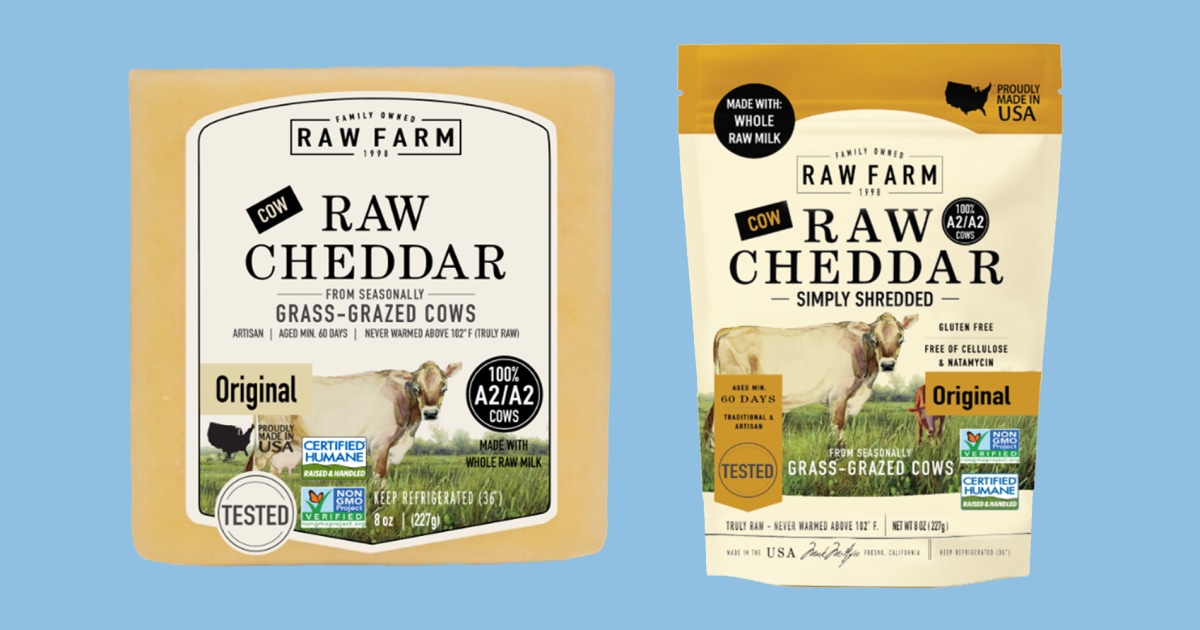
The US Food and Drug Administration (FDA) has launched an investigation into a series of illnesses linked to raw cheddar cheese produced by a California farm. As a Health Scientist at Menshly Life, I am committed to providing accurate and timely information about food safety and the impact of foodborne illnesses on human health and longevity. In this article, we will delve into the details of the investigation, the potential risks associated with raw cheese consumption, and the measures that can be taken to prevent such outbreaks in the future. The year 2026 has brought significant advancements in medical science, and our understanding of human longevity has improved greatly. However, foodborne illnesses remain a significant threat to public health, and it is crucial that we take proactive steps to prevent them.
The California Farm and Raw Cheddar Cheese
The California farm at the center of the investigation produces a variety of artisanal cheeses, including raw cheddar cheese. Raw cheese is made from unpasteurized milk, which can pose a risk to human health if it is contaminated with harmful bacteria such as E. coli, Salmonella, or Listeria. These bacteria can cause severe illnesses, particularly in vulnerable populations such as the elderly, young children, and people with weakened immune systems. The farm in question has a reputation for producing high-quality cheese, but the investigation has raised concerns about the safety of its products. As we strive for longevity in 2026, it is essential that we prioritize food safety and take measures to prevent the spread of foodborne illnesses.
The Investigation and Recall
The FDA investigation was prompted by reports of illnesses linked to the consumption of raw cheddar cheese from the California farm. The agency has collected samples of the cheese and is testing them for the presence of harmful bacteria. Preliminary results have confirmed the presence of Listeria in some of the samples, which has led to a voluntary recall of the affected products. The recall affects several batches of raw cheddar cheese that were distributed to retailers and consumers in multiple states. The FDA is working closely with the farm and other stakeholders to ensure that all affected products are removed from the market and that consumers are aware of the potential risks associated with their consumption.
Risks Associated with Raw Cheese Consumption
Raw cheese can pose a significant risk to human health, particularly if it is contaminated with harmful bacteria. Unpasteurized milk can contain a variety of pathogens, including E. coli, Salmonella, and Listeria, which can cause severe illnesses in humans. These illnesses can range from mild symptoms such as diarrhea and vomiting to life-threatening conditions such as kidney failure and respiratory distress. The risks associated with raw cheese consumption are particularly high for vulnerable populations, including the elderly, young children, and people with weakened immune systems. As we strive for longevity in 2026, it is essential that we take proactive steps to prevent the spread of foodborne illnesses and prioritize food safety.
Prevention and Control Measures
To prevent the spread of foodborne illnesses, it is crucial that we take proactive steps to ensure the safety of our food supply. This includes implementing effective prevention and control measures, such as pasteurization, proper handling and storage, and regular testing for harmful bacteria. Pasteurization is a process that involves heating milk to a high temperature to kill off any harmful bacteria that may be present. This process can significantly reduce the risk of foodborne illnesses associated with raw cheese consumption. Proper handling and storage of cheese products are also critical to preventing the spread of illness. This includes storing cheese at the correct temperature, handling it hygienically, and ensuring that it is not contaminated with other foods or substances.
🎥 WELLNESS MASTERCLASS
Longevity and Food Safety in 2026
As we strive for longevity in 2026, it is essential that we prioritize food safety and take measures to prevent the spread of foodborne illnesses. Foodborne illnesses can have a significant impact on human health, particularly in vulnerable populations. By taking proactive steps to ensure the safety of our food supply, we can reduce the risk of illness and promote healthy aging. This includes being aware of the potential risks associated with certain foods, such as raw cheese, and taking steps to mitigate those risks. It also involves supporting policies and initiatives that prioritize food safety and promote the use of safe and healthy food products. By working together, we can create a healthier and safer food system that supports human longevity and well-being.
Conclusion
In conclusion, the FDA investigation into illnesses linked to raw cheddar cheese from a California farm highlights the importance of food safety and the potential risks associated with raw cheese consumption. As we strive for longevity in 2026, it is essential that we prioritize food safety and take measures to prevent the spread of foodborne illnesses. This includes being aware of the potential risks associated with certain foods, taking steps to mitigate those risks, and supporting policies and initiatives that prioritize food safety. By working together, we can create a healthier and safer food system that supports human longevity and well-being. The California farm at the center of the investigation has a responsibility to ensure the safety of its products, and the FDA has a critical role to play in regulating and overseeing the food industry. As a Health Scientist at Menshly Life, I am committed to providing accurate and timely information about food safety and the impact of foodborne illnesses on human health and longevity.
Recommendations for Consumers
Consumers can take several steps to protect themselves from the potential risks associated with raw cheese consumption. These include checking the labels of cheese products to ensure that they have been pasteurized, handling and storing cheese products hygienically, and being aware of the potential risks associated with raw cheese consumption. Consumers should also be aware of any recalls or alerts related to cheese products and take steps to avoid consuming affected products. By taking these precautions, consumers can reduce their risk of illness and promote healthy aging. Additionally, consumers can support policies and initiatives that prioritize food safety and promote the use of safe and healthy food products.
Future Directions
The investigation into illnesses linked to raw cheddar cheese from a California farm highlights the need for continued vigilance and oversight in the food industry. As we strive for longevity in 2026, it is essential that we prioritize food safety and take measures to prevent the spread of foodborne illnesses. This includes supporting research and development of new technologies and methods for detecting and preventing foodborne illnesses, as well as promoting education and awareness about food safety. By working together, we can create a healthier and safer food system that supports human longevity and well-being. The FDA and other regulatory agencies have a critical role to play in overseeing the food industry and ensuring that food products are safe for human consumption. As a Health Scientist at Menshly Life, I am committed to providing accurate and timely information about food safety and the impact of foodborne illnesses on human health and longevity.
Final Thoughts
In final thoughts, the FDA investigation into illnesses linked to raw cheddar cheese from a California farm is a critical reminder of the importance of food safety and the potential risks associated with raw cheese consumption. As we strive for longevity in 2026, it is essential that we prioritize food safety and take measures to prevent the spread of foodborne illnesses. By working together, we can create a healthier and safer food system that supports human longevity and well-being. Consumers, policymakers, and industry stakeholders all have a role to play in promoting food safety and preventing the spread of foodborne illnesses. As a Health Scientist at Menshly Life, I am committed to providing accurate and timely information about food safety and the impact of foodborne illnesses on human health and longevity, and I look forward to continuing to work towards a healthier and safer food system for all.
About Menshly Life
Advancing human potential through science and AI. Follow on X

0 Comments